FAQs
What is a midwife?
Midwives are health-care professionals who provide expert primary care to pregnant people and their newborns. Through pregnancy, labour, birth and the first six weeks after birth, you will be cared for by a small group of midwives. This continuity of care means that you are likely to know the midwife who delivers your baby. Midwifery care has no costs to it, as the costs of care are covered by the provincial health-care system.
Why would I want a midwife?
Our clients choose midwifery care for a variety of reasons. If you are low-risk, like to be well informed throughout your pregnancy, prefer to have an active role in decision-making, and would benefit from supportive care, then midwifery is the right choice for you. Some of the reasons women choose midwives are because they like getting to know their care providers; they prefer more in depth discussions regarding routine tests and procedures that occur in a pregnany; having supportive care from familiar faces during labour; postpartum homevisits; having help with breastfeeding after the birth; and the option of having a homebirth.
If you’re not sure if midwifery care is right for you, you can still fill in an intake form and go to your initial visit. You can discuss with your midwife whether or not this is the right choice for you.
When should I apply to come into care?
Midwifery care is in high demand and we often book out for several months. You should apply to come into care as soon as you know you are pregnant. You don’t need to see your doctor before you come into care as midwives can order the routine testing and investigations for pregnancy.
How do I get a midwife?
You can fill in the intake form on our website. We will get back to you as soon as we can to let you know if we have a spot for you. If we are full, you will be placed on a waitlist and we will inform you if a spot becomes available.
You can also apply to more than one midwifery clinic to increase your chances of recieving midwifery care. Please refer to the Association of Ontario Midwives’ Find a Midwife webpage to find other clinics that you can apply to. https://www.ontariomidwives.ca/find-midwife
Can I have a midwife and a doctor?
You can choose to have a midwife or a doctor, but not both. As midwives are fully trained in low-risk pregnancy and birth, midwifery clients do not see a physician unless there are concerns or complications. If complications arise, midwives can consult with physicians or, if necessary, transfer a client’s care to a physician. If care is transferred, midwives continue care for their clients in a supportive care role, attend the delivery, and resume primary care when it is possible. Postpartum care remains the same for those whose care is transferred to an obstretrician.
Are midwives as safe as doctors?
Yes. Midwives are trained health professionals who maintain privileges at hospitals just like doctors. Midwives complete extensive training in managing low risk pregnancies, facilitating births and providing postpartum and newborn care; and continue to maintain training in skills workshops on a yearly basis. We have clear guidelines that we refer to when needing to consult with doctors and when to transfer care. We value colloborative and interprofessional care with our physician colleagues for those requiring high risk care.
Do I have to pay for a midwife?
No, midwifery care has no cost to it. Midwives are part of the Ontario health-care system and their services are completely funded by the Ministry of Health and Long-Term Care. Ontario residents who are not currently covered by OHIP can still receive midwifery care with no charge.
Please note that accesing services in the hospital (e.g. ultrasounds, assessments etc.) does require a hospital admission fee which is not covered by the Ministry of Health and Long-Term Care. Your midwife will discuss with you what fees you may encounter in the hospital if the situation arises.
Do I have to give birth at home?
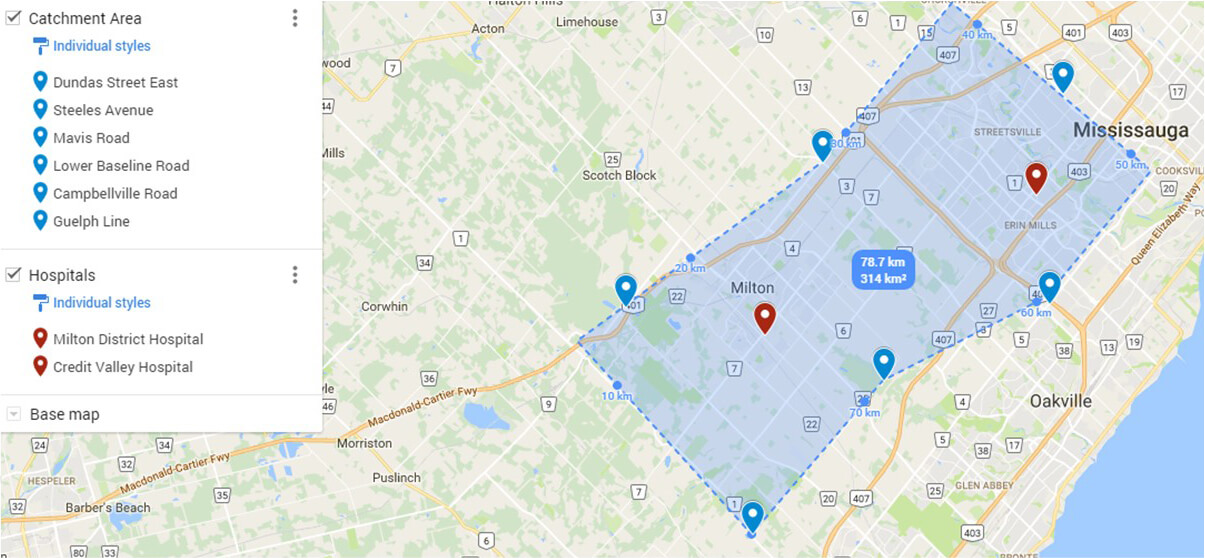
You can choose to deliver at home or at the hospital, depending on what is best for your and your little one. Your midwife will be happy to discuss both options with you to see which is right for you. For hospital deliveries, Hawthorne Midwives have privileges at Milton District Hospital.
Can I have an epidural?
So long as you’re delivering in the hospital, absolutely! You have the same access to pain relief options as any hospital patient. An anesthetist will do the epidural and your midwife will monitor it for the duration of your labour. Your midwife will discuss the pain relief options available for you depending on whether you plan a hospital delivery or a homebirth.
What will my appointment look like with my midwife?
Your inital visit with your midwife may be virtual or in-person and is typically 45-60mins long. Subsequent visits with your midwife are in person at our office and will normally be about 30 minutes long. This will give you lots of time to talk and get to know your midwives. Your midwives will discuss tests and procedures and as well as work with you to come up with the right plans for your labour and delivery. Prenatal visits are usually every 4-6weeks until 28 weeks, every 2-3 weeks until 36 weeks and then once a week until your baby is born. On average, you’ll see your midwife approximately 12 times before you go into labour.
How will I reach you when labour starts?
Once accepted into our care, you will receive our pager number. This number is your 24/7 emergency access line to your midwifery team. Your midwife will give discuss with you how and when to use it. Once you have paged, your midwife will call you back within 10-15 minutes and discuss your symptoms and make a plan for next steps.
What does my midwife do during labour?
What happens after the baby is born?
Your midwives will remain with you as your and your baby’s primary care providers for approximately 2 hours after birth. During that time they will continue monitoring your wellbeing and bleeding, assist with breastfeeding and complete the newborn exam.
Over the next two weeks your midwives will visit you at home to make sure you and your baby are doing well and assist with breastfeeding. You will typically see your midwives in the clinic at 3-4 and 6-7 weeks of your newborn’s age.
Can I have a midwife if I’ve had a c-section?
Yes. Your pregnancy care will proceed as usual. You will discuss with your midwives the plan for your next delivery – whether to have a trial of labour after c-section (TOLAC) or plan for an elective repeat c-section (ERCS) with the OBs. You may see an OB to confirm your delivery plans if considering an ERCS. But having had a c-section does not mean you can’t have a midwife.
Can I have a midwife if I had fertility treatment?
Yes. Sometimes people who have gone through fertility feel like they are high-risk. However, if you don’t have any underlying health conditions such as high blood-pressure or diabetes, your pregnancy is considered low risk and your midwife can still manage your pregnancy, labour and birth.
What happens if something happens during the pregnancy to move me from 'low risk' to 'high risk'? Do I lose my supports?
Midwives have clear guidelines that tell us when to involve an obstetrician in your care. That begins with a consultation, and if necessary, a transfer of care. This might happen in pregnancy (for example if your blood pressure goes up and you need medication) or during labour (for example if you require a forceps delivery). In both situations the midwife would continue to be involved in a supportive capacity and resume care when appropriate.